InsightMath Core Curriculum
2020-2025
Product Type|Comprehensive Math Program for K–6
Role|Lead Designer
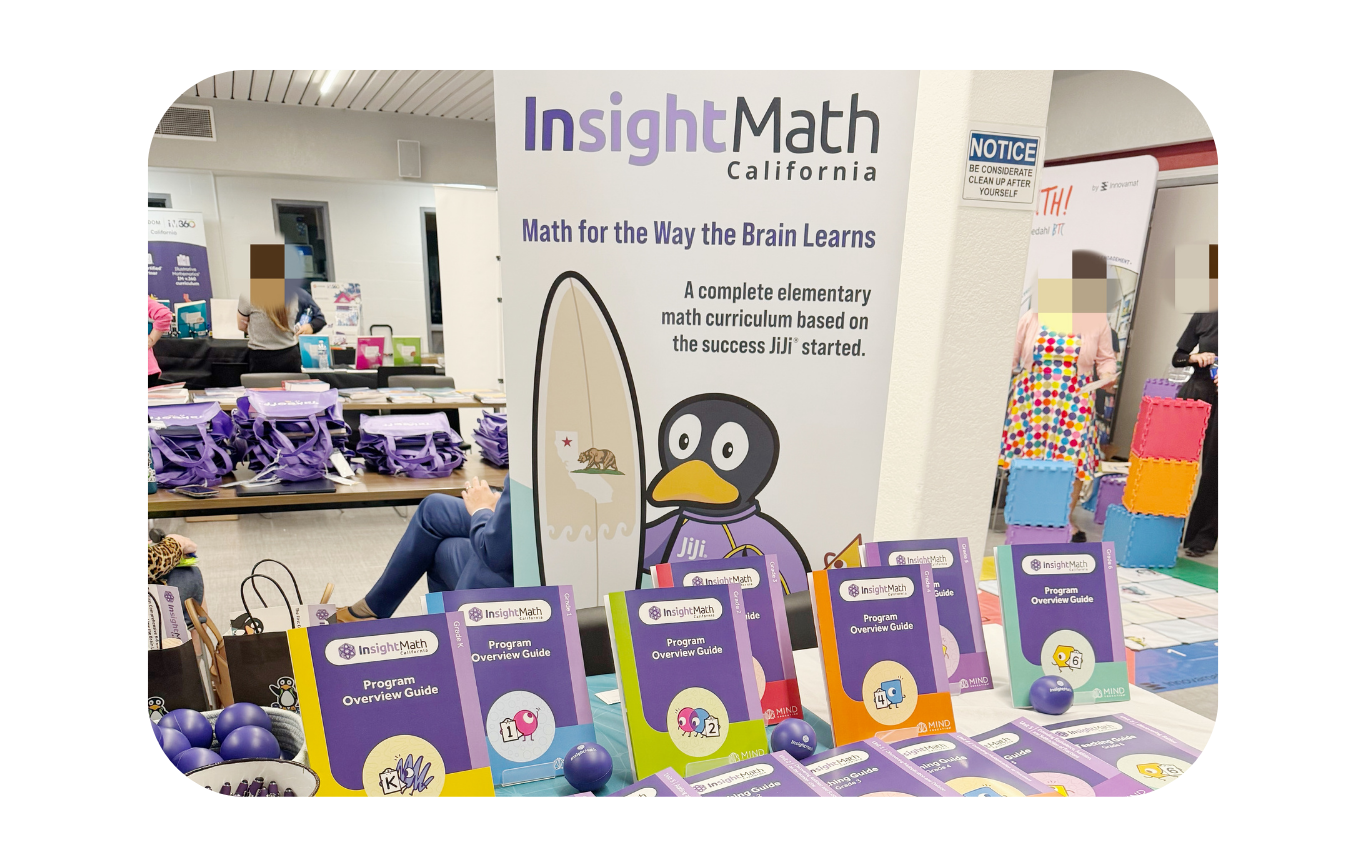
In the past five years, I have had the opportunity to be part of an innovative, neuroscience-based math core curriculum that supports teachers and students' classroom experience. This K-6 Mega-Pack program introduces a learning mode different from traditional math programs, where students get to think about math deeply and follow a natural learning method, as our brain learns.
InsightMath integrates multimodal learning experiences, collaborative discussions, and neuroscience-based principles in both digital and printed formats to support a deep conceptual understanding of math.
My key contributions in this project show in three different areas:
- Set the tone of primary visual direction.
- Manage the production of the Playbook (workbook) and support in UX research
- Lead on
I led the visual direction, design, and prototyping for this 150-179 days and 140+ lessons (per grade) , expected to impact 225,000 students in 2025/2026.
Where it started
Expanding into Core Curriculum
In 2019 to 2020, MIND started investing in a different strategy in the InsightMath Project because MIND offers only one supplemental program, ST Math. While other EdTech companies have expanded to provide core curriculum programs, MIND's limited offering puts us at a competitive disadvantage, as feedback from teachers shows a demanding request in core curriculum vs supplemental programs.
DEI
As an equality-focused and inclusive organization, MIND applies the DEI framework to InsightMath from its earliest stages. We incorporated storytelling into student workbooks and learning experiences throughout all grades, focusing on showcasing the growth of diverse representatives, while creating real-life application problems and scenarios with engaging visuals for students to explore and learn. This asset-based approach design ensures students envision their own success, grow together with the characters, identify themselves, and believe in their potential for high achievements.

Stage 1: Pioneering the Visual Foundation
During the product's early development, I was the sole Visual Designer and illustrator focused on one of the three central learning layers. I partnered closely with CRO, project leads, curriculum designers, and subject matter experts to:
- Define product concepts
- Explore and identify visual direction and styles
- Develop and iterate on early prototypes based on field testing feedback
Identified Problem:
Initially, the original concept of a playbook featured a busy 'comic book' style with implied math puzzles spreading around in the universe. Through a few observations and testing, we find that this may led to low student recognition of math representations, overloaded cognitive loads, posing a risk to user engagement and market viability.
Solution:
By leveraging insights from previous successful projects, I pivoted to a vibrant, uplifting color palette and optimized visual hierarchy to ensure math content prominence and reduce cognitive load.
This strategy proved by positive student engagement and experience during testing, along with favorable feedback from parents and teachers, ultimately contributed to the program winning the 2025 ISTE Best of Show award and securing its visual foundation.
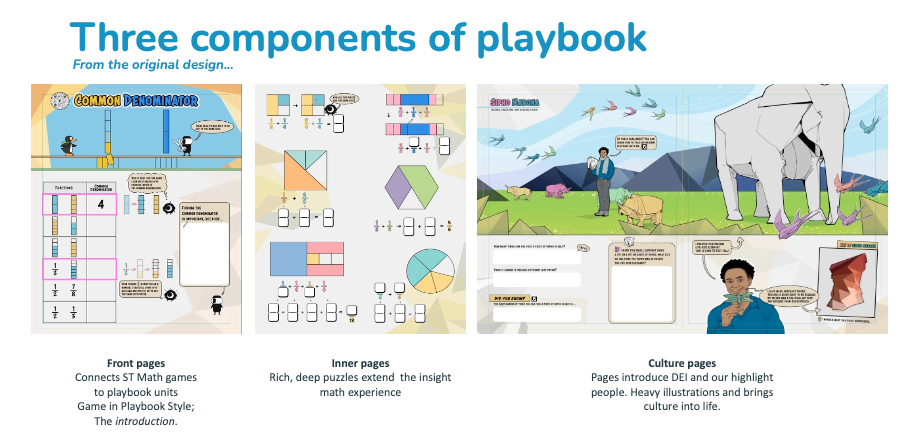
Prototype Iteration v2 shows a more vivid color style.

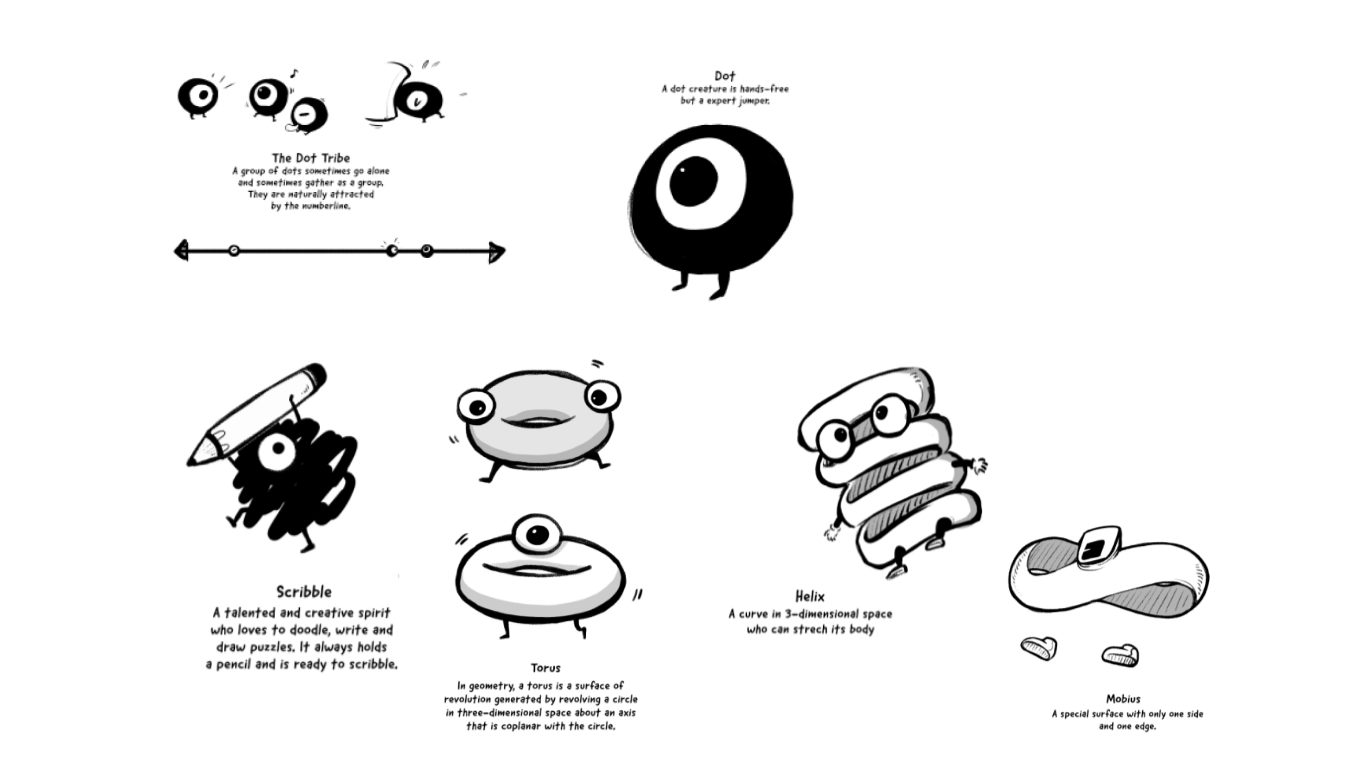
Critters concept design
Stage 2: Scaling with Strategy
As the InsightMath project scaled, I stepped into a senior leadership role to guide the newly expanded 9-person design team, driving the visual and production strategy in close collaboration with the Art Director and VP of Curriculum.
- Characters, critters, and story design.
- Plan and support project timeline and deliveries.
- Led the creation of comprehensive style guides that set the visual standard across the program.
- Initiated the use of OneDrive (SharePoint) as a team collaboration platform to support efficient and organized workflows across multiple designers.
- Mentored and coached junior designers and illustrators, fostering both creative growth and delivery efficiency.

Stage 3: Production lead & UXR Testing
During the final stage of the product development cycle, the product team underwent a major restructuring. I took the lead on visual production for the digital lesson platform, supporting the successful delivery of the curriculum. My key responsibilities included:
- Facilitating cross-team communication and developing strategic production flows while supporting production.
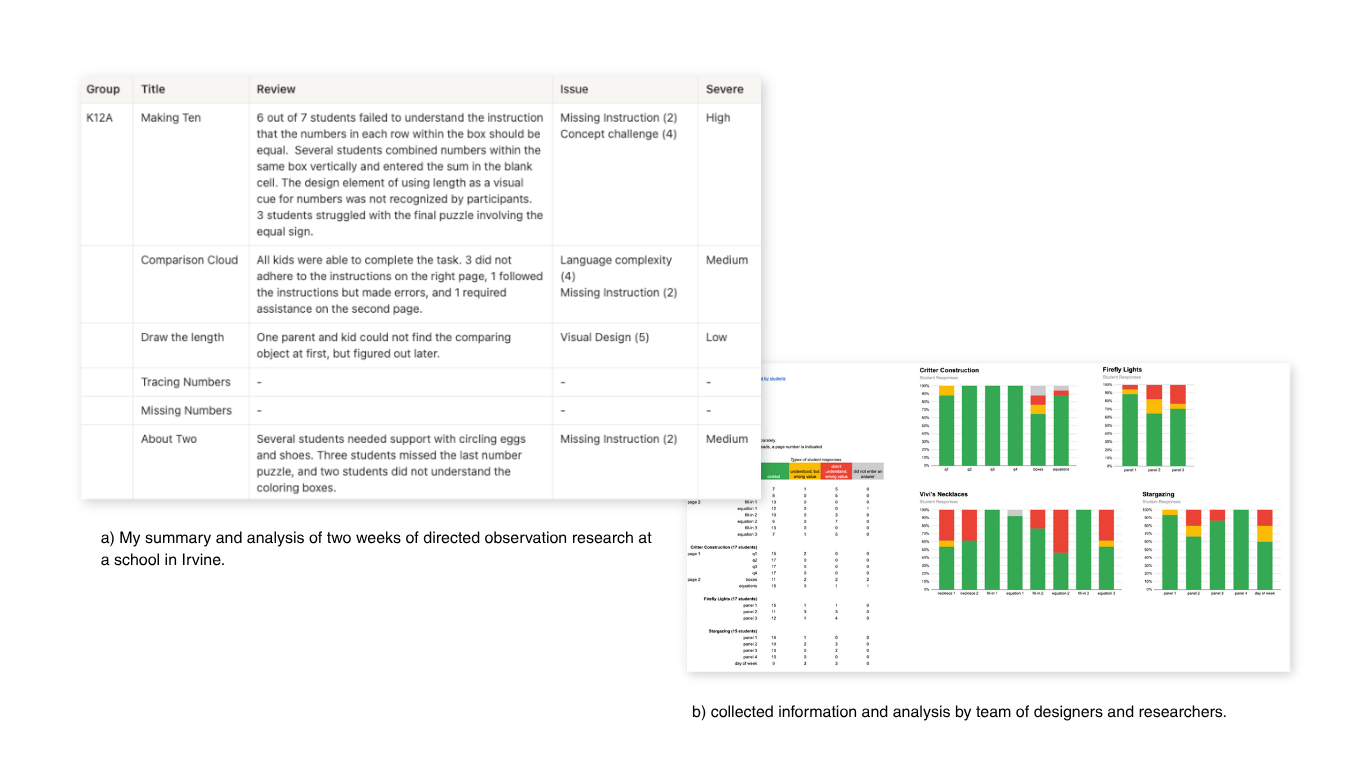
- Collaborating with UX researchers to support summative research and improve the overall user experience through direct observations, interviews, and online surveys.
- Initiating a centralized SharePoint Library to synchronize resources, enhance cross-team collaboration, and streamline workflow and asset management.
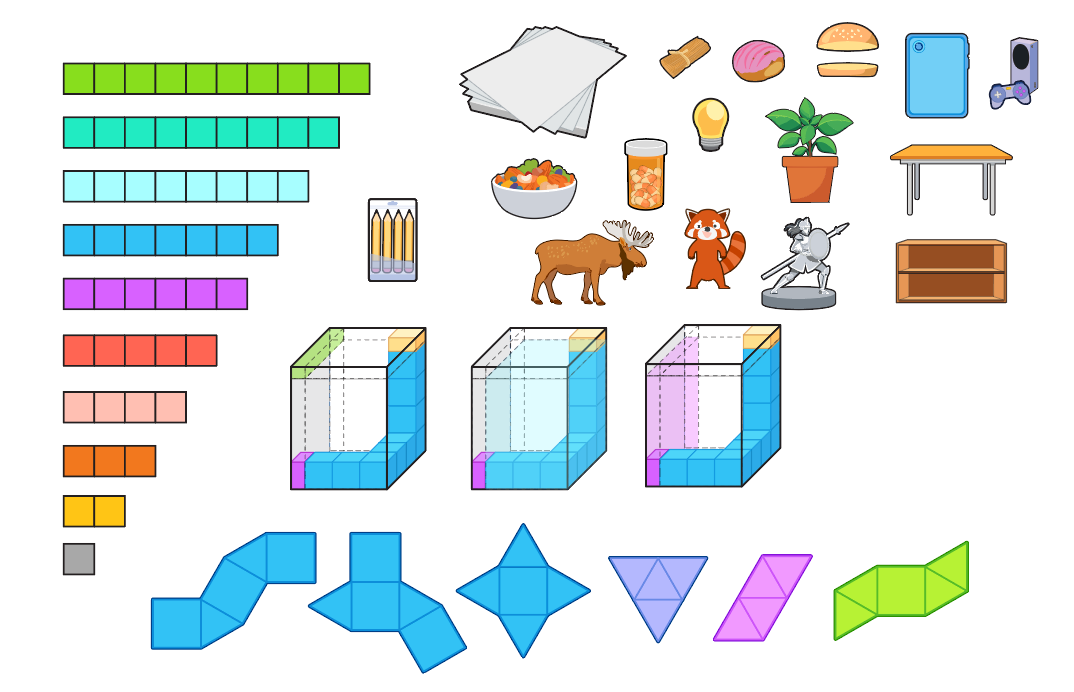
Sample sheet of asset production
